
That the Plowboy Might Read
500 Years of Tyndale’s English New Testament
Five hundred years ago, in 1526, an English New Testament was printed that would help change the course of history.
Its translator, William Tyndale, had a bold and unwavering conviction: God’s Word should be available in the language of the common people, so that anyone who could read might understand the Scriptures for himself.
God’s Word should be available in the language of the common people, so that anyone who could read might understand the Scriptures for himself.
At a time when translating the Bible into English was met with fierce opposition, Tyndale undertook the difficult work of translating directly from the original Greek and Hebrew.
His first printed English New Testament was produced in Worms, Germany, and copies were secretly carried into England despite efforts to suppress them.
Tyndale’s desire was not simply to produce another book. He wanted ordinary men, women, and even children to have direct access to the truth of Scripture.
While serving as a tutor in the home of Sir John Walsh, Tyndale reportedly found himself in a theological debate with a learned clergyman. When the man expressed greater loyalty to papal authority than to God’s Word, Tyndale famously responded:
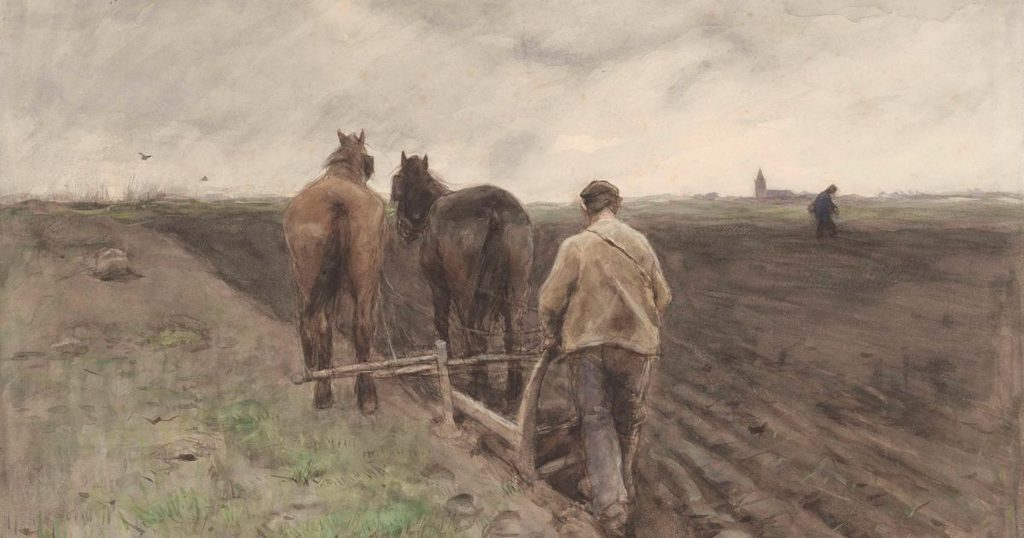
“I will cause a boy that driveth the plough to know more of the Scriptures than thou dost.”
His commitment came at a tremendous personal cost.
Betrayed and imprisoned, Tyndale was eventually executed in 1536.
According to the historical account recorded by John Foxe, Tyndale’s final words were a fervent prayer: “Lord, open the King of England’s eyes!”
“Lord, open the King of England’s eyes!”
That prayer would, in time, be answered as English Bible translation continued to advance.
Tyndale did not live to see the full fruit of his labor, but his influence endured.
His translation shaped the English Bible tradition in profound ways, providing language and foundational work that would influence generations of English Bible translations that followed.

Five hundred years later, we have remarkable access to the Scriptures.
Tyndale’s commitment to accuracy, clarity, and making Scripture accessible helped pave the way for the many English translations available to readers today. His work continues to echo through the lives of countless people who have been able to read God’s Word in their own language.
We can hold a Bible in our hands, read it in our homes, teach it to our children, and carry it wherever we go.
Such access should never be taken for granted.
As we remember William Tyndale and the sacrifices made by him and others to put God’s Word into the hands of ordinary people, may we be reminded not only to cherish our Bible, but to read it, believe it, live it, and faithfully pass it on to the next generation.
May we be reminded not only to cherish our Bible, but to read it, believe it, live it, and faithfully pass it on to the next generation.
“The grass withers, the flower fades: but the word of our God shall stand forever.” — Isaiah 40:8